If you follow Korean skincare, you’ve seen it: PDRN, often called “salmon DNA skincare,” paired with glutathione in serums, creams, sunscreens, and even cleansers. It’s one of the biggest K-beauty trends of 2026. So what is it, and does the combination make sense?
What is PDRN?
PDRN stands for polydeoxyribonucleotide. It’s made of DNA fragments, usually extracted from salmon or trout (some brands now use plant-based versions).
In medicine, injectable PDRN has been studied for wound healing and tissue repair. In Korean clinics, PDRN injections (“skin boosters” or “rejuran-style” treatments) became popular for skin quality. Skincare brands then started putting PDRN into creams and serums.
What it’s claimed to do in skincare:
- Support skin repair and recovery
- Improve hydration and the look of skin texture
- Help skin look plumper and healthier
What does glutathione add?
Glutathione is an antioxidant that’s known for brightening and evening out the look of skin tone. Read more in Glutathione for Skin.
So the idea behind the pairing is simple:
- PDRN → repair, hydration, texture
- Glutathione → brightness, even tone, antioxidant protection
Together, brands market them as a “glass skin” combination: healthy, smooth, and glowing.
What does the science say?
- Injected PDRN has decent clinical research for wound healing, and some for skin rejuvenation.
- Topical PDRN (in creams and serums) has much less research. DNA fragments are large molecules, and how much reaches deeper skin layers from a cream isn’t well established.
- Topical glutathione has some small studies showing modest brightening.
- The combination hasn’t been studied much as a pair. It’s a sensible concept, but mostly marketing-led so far.
Honest summary: it’s a reasonable pairing for hydration and glow, but don’t expect clinic-level results from a jar.
Why is it so popular right now?
- K-beauty’s focus on skin health and “glass skin” over quick fixes
- Clinic treatments (PDRN injections) creating demand for at-home versions
- Big Korean brands launching “pink glutathione” and PDRN ranges
- The appeal of “skin repair + glow” in one product
Who might like PDRN + glutathione products?
- People with dull, dehydrated, or tired-looking skin
- Anyone wanting a gentle “glow” routine
- Those with post-acne marks who want brightening plus barrier support
Things to keep in mind
- Allergies: if you’re allergic to fish, check whether the PDRN is salmon-derived.
- Vegetarian/vegan: salmon PDRN isn’t vegetarian. Look for plant-based PDRN if that matters to you.
- Patch test first, as with any new product.
- Avoid PDRN or glutathione injections from unlicensed providers. Injections should only be done by qualified doctors. See what CDSCO says about injectable cosmetics.
- Sunscreen still matters most for even skin tone.
The bottom line
PDRN + glutathione is a genuinely trendy and sensible-sounding combination: repair plus brightening. The science for the topical versions is still early, so treat it as a nice addition to a good routine (cleanser, moisturiser, sunscreen), not a miracle.
From the makers of this guide
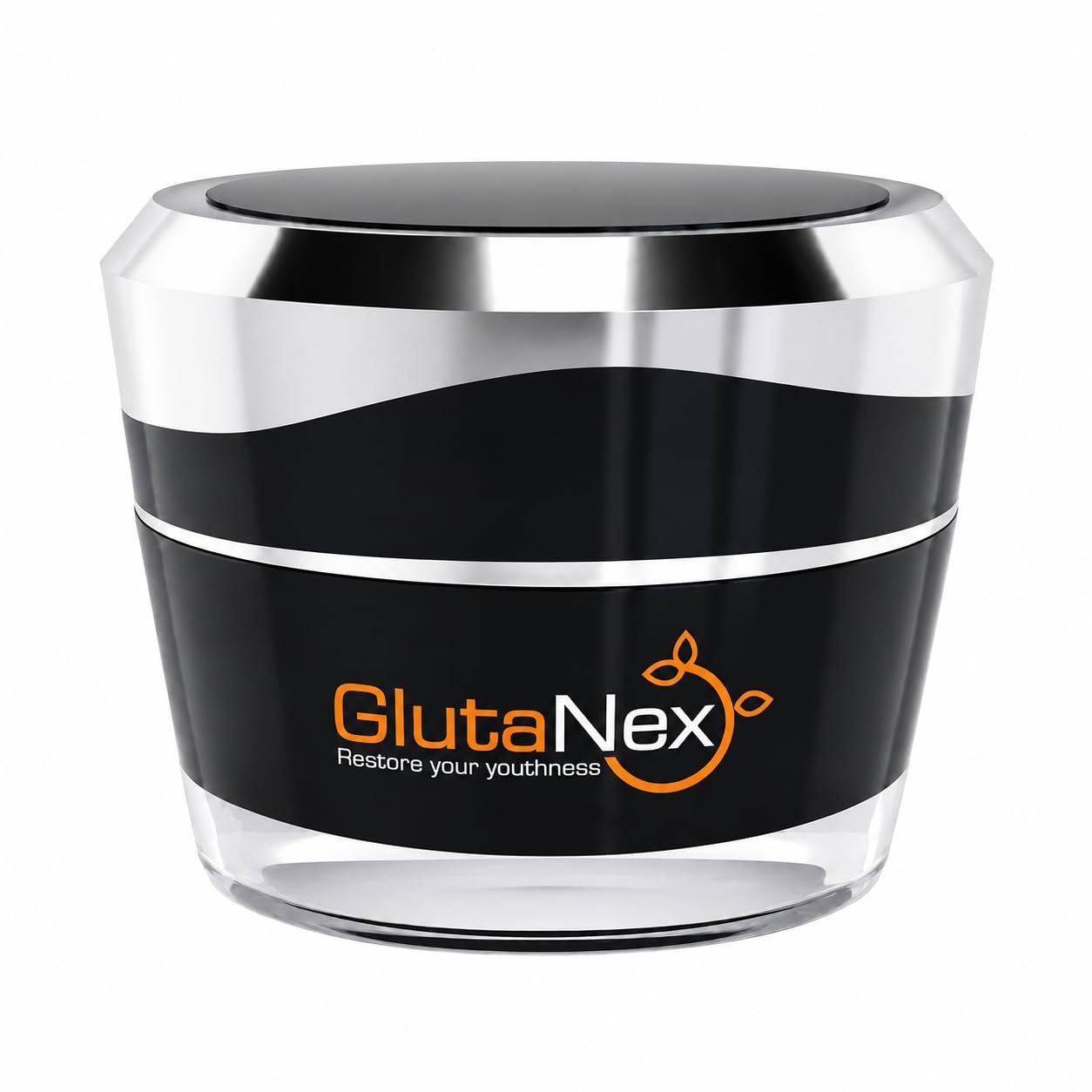
Glutanex Glutathione Night Cream
It pairs glutathione with vitamin C, kojic acid and arbutin, plus nourishing oils, for antioxidant care and a brighter-looking complexion.
Buy from Glutanex.in · Buy on Amazon · Buy on Flipkart · Follow on Instagram
Disclosure: Glutanex is our own brand. Individual results vary.
This article is for general information only and is not medical advice. Consult a doctor or dermatologist before starting any supplement or treatment.