Quick answer
What does glutathione do for your skin? Glutathione is an antioxidant that helps protect skin cells from damage caused by UV light and pollution. It may also shift melanin production towards lighter pigment, which is why it’s used for dullness and uneven tone. Small studies show modest, gradual results over 8–12 weeks, and they work best alongside daily sunscreen.
Glutathione is one of the most talked-about skincare ingredients in India and across Asia. Ads promise glowing, spotless skin. But how does it actually work, and what can you realistically expect?
First, a note on “skin brightening”
Every skin tone is healthy and beautiful. Good skincare isn’t about changing who you are. It’s about healthy, even, glowing skin: fading dark spots, reducing dullness, and protecting skin from damage. That’s the honest goal of a glutathione product.
How glutathione works on skin
Your skin colour comes from melanin, made by cells called melanocytes. There are two main types:
- Eumelanin: dark brown/black pigment
- Pheomelanin: lighter, reddish-yellow pigment
Glutathione is thought to help skin in three ways:
- Shifting pigment production toward the lighter pheomelanin
- Reducing the activity of tyrosinase, the enzyme the skin needs to make melanin
- Fighting oxidative stress from sun and pollution, which can trigger dullness and dark spots
What can glutathione help with?
- Dullness → a fresher, more radiant look
- Uneven skin tone → more balanced-looking skin
- Dark spots and post-acne marks → gradual fading. See glutathione for pigmentation.
- Tan → may help alongside sun protection
What results can you realistically expect?
- Timeline: most people need 8–12 weeks of regular use to notice a difference. See how long glutathione takes to work.
- Size of change: improvements are usually gradual and modest: more glow and evenness, not a dramatic change in skin colour.
- Everyone is different: genetics, sun exposure, and skin type all affect results.
Be wary of any product promising results “in 7 days” or “guaranteed.” That’s marketing, not science.
Cream, tablet, or injection: which is best for skin?
| Form | Pros | Cons |
|---|---|---|
| Cream / lotion | Targets the face directly, gentle, low risk | Works on the skin surface; needs daily use |
| Tablets | Works “from inside,” affects the whole body | Absorption debated; talk to a doctor first |
| Injections | — | Safety warnings from regulators; not recommended for cosmetic use |
For most people, a glutathione cream plus daily sunscreen is the safest place to start. Read more in our guide to glutathione side effects.
Ingredients that work well with glutathione
- Vitamin C: helps keep glutathione active, and brightens on its own
- Niacinamide (vitamin B3): helps even out tone and supports the skin barrier
- Alpha lipoic acid (thioctic acid): another antioxidant that supports glutathione
- Hyaluronic acid: hydration
- Sunscreen (SPF 30+): the most important partner of all
A simple glutathione skincare routine
Night:
- Wash your face with a gentle cleanser
- Pat dry
- Apply a thin layer of glutathione cream to face and neck
- Let it absorb, and sleep
Morning:
- Cleanse
- Moisturise
- Apply sunscreen (SPF 30+), and reapply if you’re outdoors
Tips for best results
- Patch test before first use
- Use sunscreen every day. Without it, sun exposure will undo your progress
- Be consistent. Daily use for at least 2–3 months
- Stay hydrated and sleep well
- Don’t mix with too many strong actives at once (like strong acids or retinoids) without advice
The bottom line
Glutathione can be a helpful ingredient for brighter, more even, glowing skin, especially in a cream with vitamin C and alongside daily sunscreen. Expect gradual improvement over weeks, not overnight change.
Frequently asked questions
What does glutathione do for your skin?
Glutathione is an antioxidant that may help skin look brighter and more even by influencing melanin (pigment) production and fighting oxidative stress from sun and pollution. Results are gradual and modest, usually over 8–12 weeks.
Is glutathione skin whitening permanent?
No. The effect is temporary and fades after you stop. Read why glutathione results aren’t permanent.
Is glutathione safe for daily use?
Topical creams are generally fine for daily use after a patch test. For tablets, ask a doctor first. See can you use glutathione every day?
Related guides: glutathione for tan removal · glutathione for acne marks · glutathione for men
From the makers of this guide
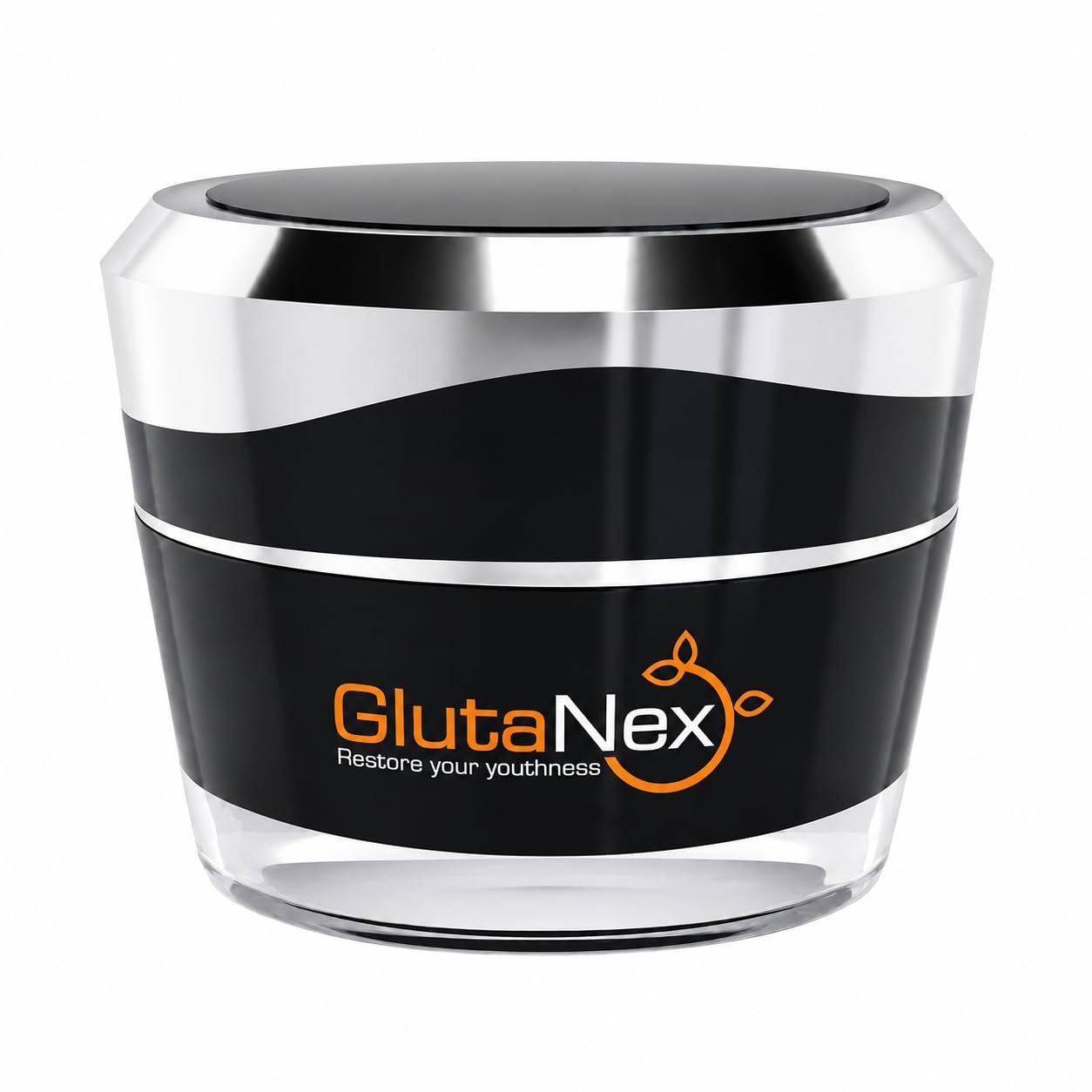
Glutanex Glutathione Night Cream
It combines glutathione and vitamin C with kojic acid and arbutin to support a brighter, more even-looking complexion while you sleep. See full ingredients and how to use it.
Buy from Glutanex.in · Buy on Amazon · Buy on Flipkart · Follow on Instagram
Disclosure: Glutanex is our own brand. Individual results vary.
This article is for general information only and is not medical advice. Consult a dermatologist for persistent pigmentation, melasma, or any skin condition.