Glutathione is a natural substance your body already makes, so many people assume any glutathione product is automatically safe. For most people using creams or standard supplements, it is well tolerated. But the form you use matters a lot, and some people should be more careful.
Side effects of glutathione creams and lotions
Topical glutathione is the lowest-risk way to use it. Possible reactions are usually mild and often caused by other ingredients or fragrance in the product:
- Redness or mild irritation
- Itching or a stinging feeling
- Rash or small bumps (allergic reaction)
- Dryness
How to stay safe:
- Patch test first. Apply a small amount behind your ear or on your inner arm for 24–48 hours.
- Stop using it if you see redness, swelling, or itching that doesn’t settle.
- Avoid applying on broken skin, cuts, or active wounds.
- Keep it away from your eyes.
Side effects of glutathione tablets and capsules
Oral glutathione has generally been well tolerated in studies. Reported side effects are uncommon but can include:
- Bloating, gas, or stomach cramps
- Loose stools
- Allergic reactions (rare)
Some people with asthma have reported breathing problems with inhaled glutathione, a different form from tablets, but this is one reason people with asthma should check with a doctor first.
Glutathione injections and IV drips ⚠️
This is where the real risks are. Injectable glutathione is sometimes offered in salons and clinics for skin lightening, but health regulators in several countries have warned against using it for cosmetic purposes. Reported risks include:
- Serious allergic reactions
- Skin rashes, including severe ones
- Problems with kidneys, liver, or the nervous system in some reports
- Infections from unsafe injection practices
- Fake or contaminated products sold by unlicensed sellers
Our advice: don’t use glutathione injections for skin lightening. If a doctor recommends glutathione for a medical reason, follow their guidance. More detail: glutathione injection price, safety and CDSCO rules in India.
Who should avoid glutathione or talk to a doctor first
- Pregnant or breastfeeding women. There isn’t enough safety research, so avoid supplements and check with your doctor even about creams.
- People with asthma
- People with known allergies to glutathione or any ingredient in the product
- People taking regular medicines, especially chemotherapy or other long-term prescriptions
- Children and teenagers. Skin-brightening products aren’t recommended for young people.
- Anyone with a kidney, liver, or other chronic condition
Red flags when buying glutathione products
Be cautious of products that:
- Promise guaranteed or very fast results (“fair in 7 days”)
- Don’t list full ingredients or the manufacturer/importer details
- Are sold without a batch number and expiry date
- Are much cheaper than the genuine product (a sign of fakes)
- Claim to “cure” anything
The bottom line
- Creams: generally safe for most people. Patch test and use as directed.
- Tablets: usually well tolerated, but check with a doctor first.
- Injections: avoid them for cosmetic use.
If you notice any unusual symptoms after using a glutathione product, stop using it and consult a doctor.
From the makers of this guide
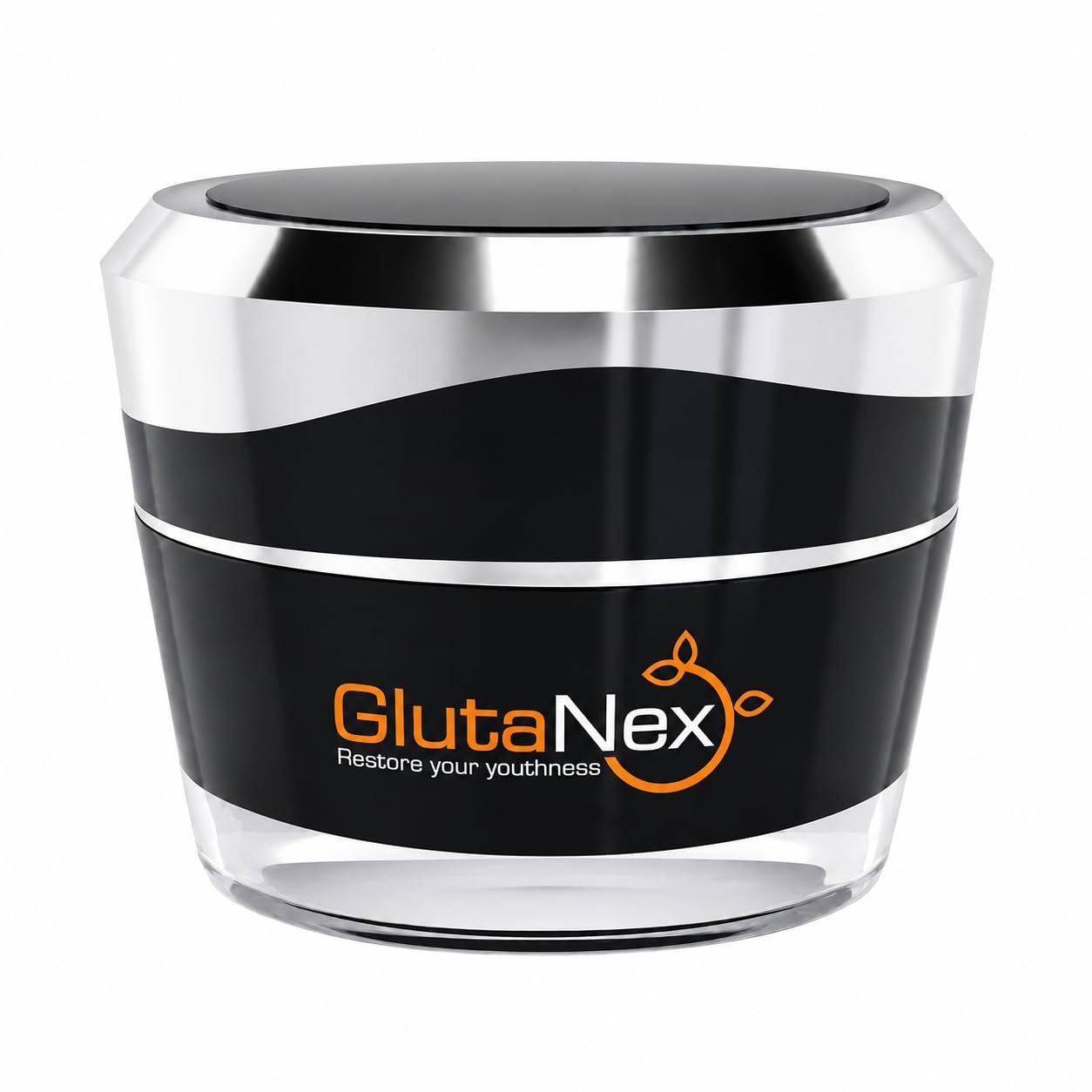
Glutanex Glutathione Night Cream
A topical night cream with glutathione, vitamin C, kojic acid and arbutin. Topical use is the lowest-risk way to try glutathione. Always patch test first.
Buy from Glutanex.in · Buy on Amazon · Buy on Flipkart · Follow on Instagram
Disclosure: Glutanex is our own brand. Individual results vary.
This article is for general information only and is not medical advice. Consult a doctor or dermatologist before starting any supplement or treatment.