
Quick answer
What are the signs of low glutathione? There are no reliable signs you can spot at home. Tiredness, dull skin or frequent colds have many possible causes. Glutathione levels tend to be lower with ageing, smoking, heavy drinking, poor sleep, poor diet and some chronic illnesses. If you have ongoing symptoms, see a doctor rather than guessing.
Many websites list “10 signs you’re low in glutathione” and then sell you a supplement. We want to be more honest: there’s no symptom checklist that can tell you your glutathione level.
Why symptoms can’t tell you
Low glutathione is linked to oxidative stress, which plays a part in ageing and many long-term conditions. But the symptoms people usually list are non-specific:
- Tiredness or low energy
- Dull or tired-looking skin
- Catching colds often
- Poor sleep or feeling stressed
Each of these has many possible causes, such as anaemia, thyroid problems, vitamin D or B12 deficiency, stress or lack of sleep. Treating them as “low glutathione” can mean missing the real cause.
What tends to lower glutathione
| Factor | Why it matters |
|---|---|
| Ageing | Levels tend to decline gradually with age |
| Smoking | Creates large amounts of oxidative stress |
| Heavy alcohol use | Strains the liver, where much glutathione is made |
| Poor diet | Too little protein, vegetables or vitamin C |
| Poor sleep and long-term stress | Linked to higher oxidative stress |
| Some illnesses and medicines | Certain chronic conditions and drugs, such as high-dose paracetamol, use up glutathione |
Can you test your glutathione level?
Blood tests for glutathione exist, but they’re mostly used in research and specialised labs, not routine check-ups, and results can vary with how the sample is handled. Most people don’t need one. A very rare inherited condition, glutathione synthetase deficiency, is diagnosed and managed by specialist doctors, usually in childhood.
How to support your natural glutathione
- Eat the right foods: garlic, onions, broccoli, cabbage, spinach, eggs, dal, amla and nuts. See foods that boost glutathione.
- Sleep 7–8 hours most nights.
- Don’t smoke, and limit alcohol.
- Stay active: regular moderate exercise supports the body’s antioxidant systems.
- Consider a supplement only with a doctor’s advice. See glutathione dosage.
When to see a doctor
If you’re tired all the time, getting ill often, losing weight without trying, or just feel unwell for weeks, see a doctor. Simple blood tests can find common, treatable causes.
Common questions
Does dull skin mean low glutathione?
Not necessarily. Sun exposure, dehydration, poor sleep and dead skin build-up are far more common causes. See glutathione for skin.
Should I take glutathione “just in case”?
Supporting your body with food, sleep and not smoking is the best first step. Discuss supplements with your doctor.
From the makers of this guide
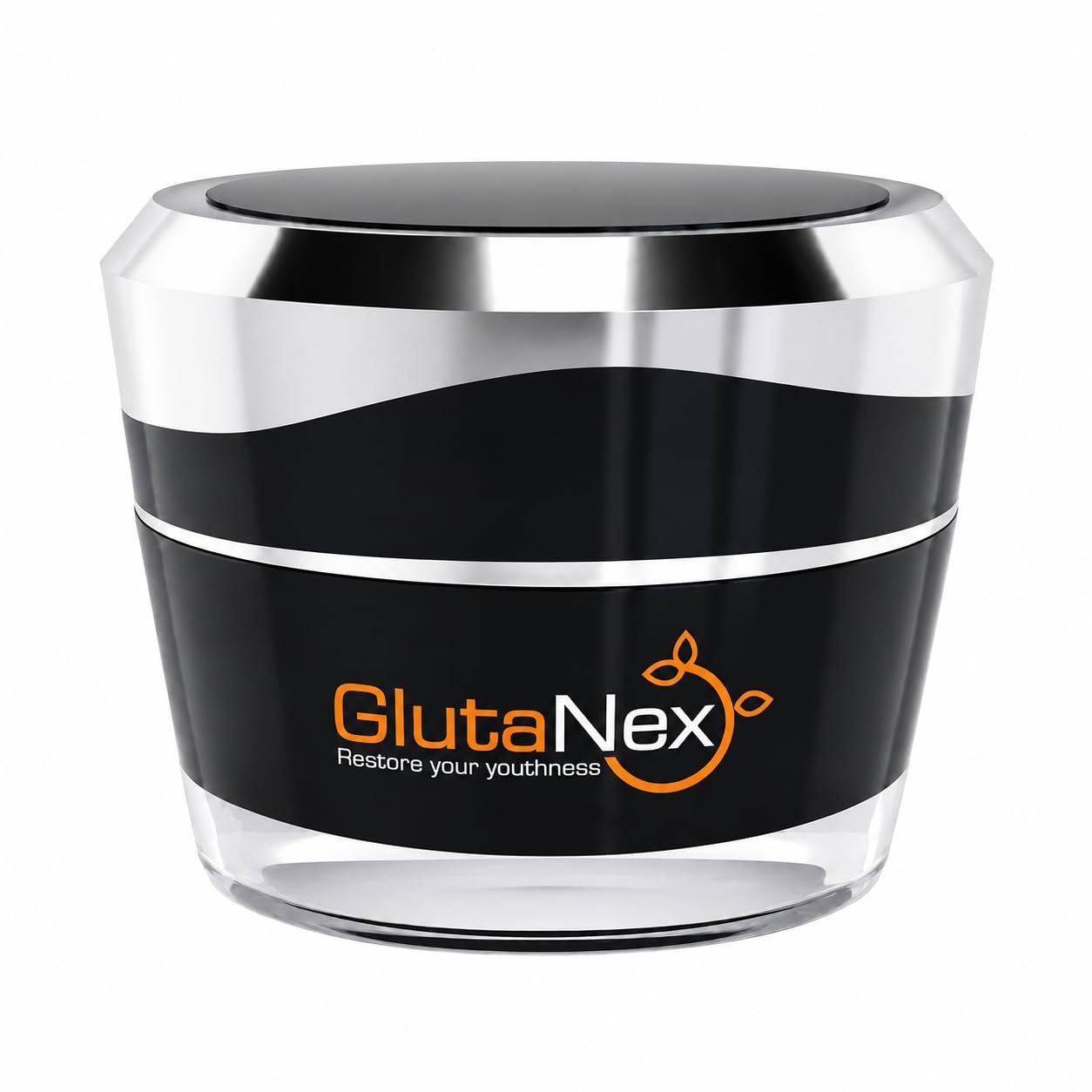
Glutanex Glutathione Night Cream
For dull-looking skin, a simple topical option: glutathione with vitamin C, kojic acid and arbutin. 30 g.
Follow @glutanexofficial on Instagram
Disclosure: Glutanex is our own brand. Individual results vary.
This article is for general information only and is not medical advice. See a doctor for ongoing symptoms.