
Quick answer
When should a bride start glutathione before the wedding? Start about 12 weeks (3 months) before the wedding. Glutathione creams take 8–12 weeks to show gradual results, so starting early gives your skin time to respond and gives you time to spot any reaction. Don’t start anything new in the last 2 weeks, and avoid glutathione injections and IV drips.
Wedding season in India means months of functions, photos and late nights. Many brides (and more and more grooms) want glowing, even-toned skin for the big day, and glutathione is one of the first things they hear about. Here’s a realistic plan that puts safety first.
Why timing matters
Skin renews itself roughly every 4–6 weeks, and brightening ingredients like glutathione work gradually. Starting two weeks before the wedding won’t give you visible results, and it increases the risk of a reaction right before your functions.
Starting early also gives you time to find out whether a product suits your skin, while there’s still time to switch.
The 12-week pre-wedding plan
| When | What to do |
|---|---|
| 12 weeks before | Patch test your glutathione night cream, then start using it 3 nights a week. Begin daily sunscreen if you don’t already use it. Book a dermatologist visit if you have acne, melasma or stubborn marks. |
| 10 weeks before | If your skin is happy, move to nightly use. Take a “before” photo in daylight. |
| 8 weeks before | Add gentle exfoliation once a week if your skin tolerates it. Focus on sleep, water and diet (see foods that boost glutathione). |
| 6 weeks before | Book your trial makeup. Do any facials now, not closer to the date. |
| 4 weeks before | Compare your photos. Keep your routine the same; no new actives from here on. |
| 2 weeks before | Freeze your routine. No new products, peels, waxing on the face or experiments. |
| Wedding week | Gentle cleanser, moisturiser, sunscreen and your usual night cream. Sleep as much as you can. |
Don’t forget the neck, hands and back
Bridal outfits show more skin than everyday clothes. Apply sunscreen and your night cream on the neck, hands and upper back too, especially if you have a tan. See glutathione for tan removal.
Skip glutathione injections and IV drips
Many salons offer “bridal glutathione drips” for quick results. We strongly advise against them:
- Health regulators have warned against using injectable glutathione for skin lightening, and India’s CDSCO has said injectable products are not cosmetics.
- Reported risks include serious allergic reactions and infections from unsafe practices.
- A reaction in the weeks before your wedding is the last thing you need.
Read more: glutathione injections in India: price, safety and legality.
For grooms
The same plan works for grooms. Start 12 weeks before, keep the routine simple, and time your last shave and haircut so the skin isn’t irritated on the day. See glutathione for men.
Realistic expectations
Glutathione can help your skin look fresher, brighter and more even. It won’t change your natural skin tone, and every skin tone looks beautiful on a wedding day. Good lighting, a skilled makeup artist and rested skin make a big difference too. Read is glutathione whitening permanent?
Common questions
Is 1 month enough to see results before the wedding?
You may notice softer, fresher skin, but most brightening results take 8–12 weeks. See how long glutathione takes to work.
Can I use glutathione cream during my wedding functions?
Yes, at night, as long as it’s a product your skin already knows. Don’t start it during wedding week.
Is glutathione safe if I’m planning a pregnancy?
Talk to your doctor. There isn’t enough safety research on glutathione supplements during pregnancy.
From the makers of this guide
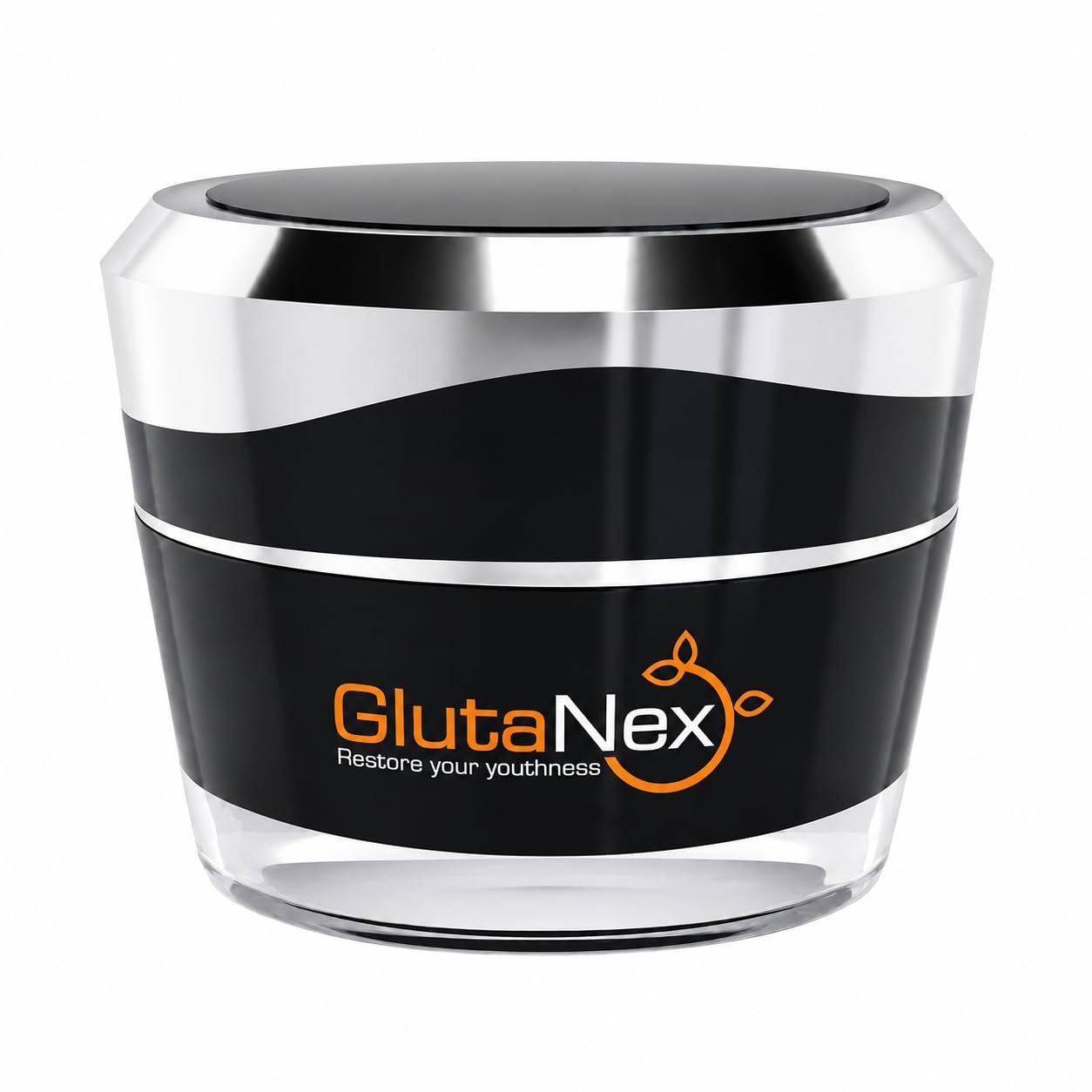
Glutanex Glutathione Night Cream
Start your pre-wedding routine early: glutathione with vitamin C, kojic acid and arbutin, nourished with saffron, sandalwood and turmeric. Patch test first. 30 g.
Follow @glutanexofficial on Instagram
Disclosure: Glutanex is our own brand. Individual results vary.
This article is for general information only and is not medical advice. Consult a dermatologist before starting a new skincare routine.