Quick answer
What is glutathione? Glutathione is a small antioxidant molecule your body makes from three amino acids: glutamate, cysteine and glycine. It is made mainly in the liver. It neutralises free radicals, supports the liver’s natural detox work and recycles vitamins C and E. In skincare, it’s used for a brighter, more even-looking complexion.
If you’ve scrolled Instagram or walked into a skincare shop lately, you’ve probably seen the word glutathione everywhere: in creams, soaps, tablets, and even clinic treatments. But what exactly is it, and does it live up to the hype?
Here’s a simple, honest explanation.
Glutathione in one sentence
Glutathione is a small molecule your body makes on its own, and it works as one of your body’s most important antioxidants, protecting your cells from damage.
What is it made of?
Glutathione is built from three amino acids (the building blocks of protein):
- Glutamine / glutamate
- Cysteine
- Glycine
Your body links these three together inside your cells, mainly in the liver, which holds some of the highest levels of glutathione in the body.
What does glutathione do in the body?
Think of glutathione as your body’s cleaning and protection crew. Its main jobs are:
1. Fighting free radicals
Every day, sunlight, pollution, smoking, stress, and even normal metabolism create unstable molecules called free radicals. Too many of them cause “oxidative stress,” which is linked to ageing and many health problems. Glutathione helps neutralise them.
2. Supporting the liver’s detox work
The liver uses glutathione to process and clear out many unwanted substances, including some drugs and toxins.
3. Recycling other antioxidants
Glutathione helps “recharge” other antioxidants like vitamin C and vitamin E, so they can keep working. That’s why you often see glutathione and vitamin C paired together.
4. Supporting immune function
Immune cells rely on glutathione to work properly.
Why do glutathione levels drop?
Your natural glutathione levels can go down with:
- Age
- Poor diet
- Smoking and alcohol
- Long-term stress and lack of sleep
- Some illnesses
This is one reason people become interested in supplements and skincare with glutathione.
Glutathione and skin: why is everyone talking about it?
Glutathione became famous in skincare because it may influence how the skin makes melanin (the pigment that gives skin its colour). As an antioxidant, it may also help protect skin from environmental stress.
That’s why it’s used in products for:
- A brighter, more radiant look
- More even-looking skin tone
- Dark spots and dullness
What the research actually says: some small studies have shown modest skin-brightening effects from glutathione, both in oral supplements and in topical (on-skin) forms. However, most studies are small and short, and results vary from person to person. Glutathione is not a miracle product, and any claim of “guaranteed” or “overnight” results should make you cautious.
How is glutathione used?
| Form | What it is | Things to know |
|---|---|---|
| Creams & lotions | Applied to the skin | Gentle, low-risk; works on the surface layers of skin |
| Soaps & body washes | Short contact with skin | Rinsed off quickly, so effects are limited |
| Tablets & capsules | Taken by mouth | Absorption has been debated; some newer forms (like liposomal) aim to improve it |
| Injections / IV drips | Given in clinics | Health regulators in several countries have warned against using these for skin lightening because of safety risks |
We cover each of these in detail in separate guides: serums and creams, soaps, tablets and injections.
Can you get glutathione from food?
You can support your body’s own glutathione production through diet. Helpful foods include:
- Sulphur-rich vegetables: garlic, onions, broccoli, cabbage, cauliflower
- Avocado, spinach, and asparagus
- Protein sources that provide cysteine, like eggs, legumes, and dairy
- Vitamin C-rich fruits: amla, oranges, guava, lemon
- Selenium sources: nuts and seeds
A healthy diet, good sleep, and avoiding smoking all help your body keep its own glutathione levels up. See the full list: 12 foods that boost glutathione.
Is glutathione safe?
- Creams and topical products are generally well tolerated. Always do a patch test first, and stop using a product if you get redness, itching, or rashes.
- Oral supplements are usually well tolerated in studies, but talk to a doctor before starting, especially if you’re pregnant, breastfeeding, have asthma, or take regular medication.
- Injections carry more serious risks and should not be used for cosmetic skin lightening.
Read more: glutathione side effects and who should avoid it.
The bottom line
Glutathione is a real and important antioxidant that your body already makes. In skincare, it can be a helpful ingredient for a brighter, more even-looking complexion, especially alongside sunscreen, good sleep, and a healthy diet. Just keep expectations realistic: consistent care over weeks, not magic in days.
From the makers of this guide
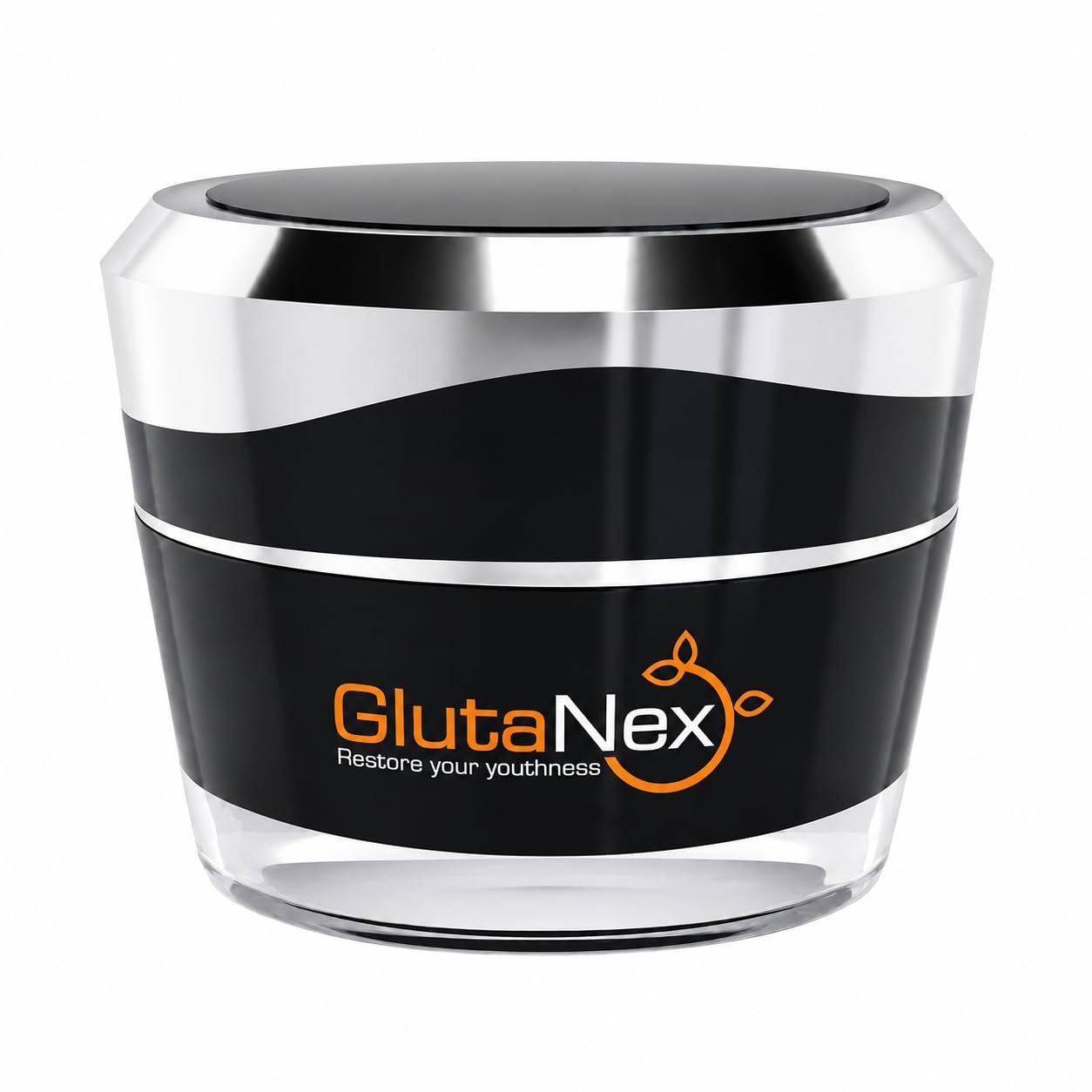
Glutanex Glutathione Night Cream
It combines glutathione with vitamin C for antioxidant night-time care and a brighter-looking complexion.
Buy from Glutanex.in · Buy on Amazon · Buy on Flipkart · Follow on Instagram
Disclosure: Glutanex is our own brand. Individual results vary.
This article is for general information only and is not medical advice. Please consult a dermatologist or doctor before starting any new skincare or supplement, especially if you have a medical condition, are pregnant, or are breastfeeding.