
Dark spots, acne marks, tanning and uneven patches all come under hyperpigmentation: areas where skin makes extra melanin. Glutathione is one of the most popular ingredients people turn to. Here’s what it can and can’t do.
Common types of pigmentation
- Post-acne marks (PIH): brown spots left after pimples heal. Very common in Indian skin.
- Sun spots: from years of sun exposure
- Tanning: overall darkening from the sun
- Melasma: hormonal, patchy pigmentation. See our melasma guide.
- Friction pigmentation: underarms, inner thighs, neck. See glutathione for underarms.
Can glutathione help?
Glutathione may help pigmentation by acting as an antioxidant and influencing how the skin makes pigment. But research is limited: a 2018 review in Dermatology Practical & Conceptual found only small, short studies with modest results.
What that means for you:
- It’s most likely to help mild dullness, tanning and light acne marks
- Results are gradual (8–12 weeks)
- It works better combined with other proven brightening ingredients and sunscreen
Ingredients that work well alongside glutathione
- Vitamin C: brightens and supports glutathione
- Niacinamide: helps even tone and the skin barrier
- Kojic acid and arbutin: target dark spots more directly. See glutathione vs kojic acid.
- Azelaic acid: good for acne marks (often available on dermatologist advice)
- Sunscreen SPF 30+: essential, or spots keep coming back
A routine for dark spots
- Night: gentle cleanser → brightening cream with glutathione
- Morning: cleanser → moisturiser → sunscreen SPF 30+ (reapply outdoors)
Also:
- Don’t pick pimples. Picking creates deeper, longer-lasting marks.
- Treat active acne first, or new marks keep appearing
- Avoid harsh scrubs. Irritation causes more pigmentation in Indian skin.
When to see a dermatologist
- Spots that are growing, changing colour, or irregular (always get these checked)
- Pigmentation that doesn’t improve after 3 months
- Melasma or deep patches
The bottom line
Glutathione can be a gentle part of a pigmentation routine, best alongside ingredients like kojic acid, arbutin and vitamin C, and always with sunscreen. Expect slow, modest improvement, and see a dermatologist for stubborn or changing spots.
Related guides: glutathione for acne marks · glutathione for tan removal · glutathione vs niacinamide
From the makers of this guide
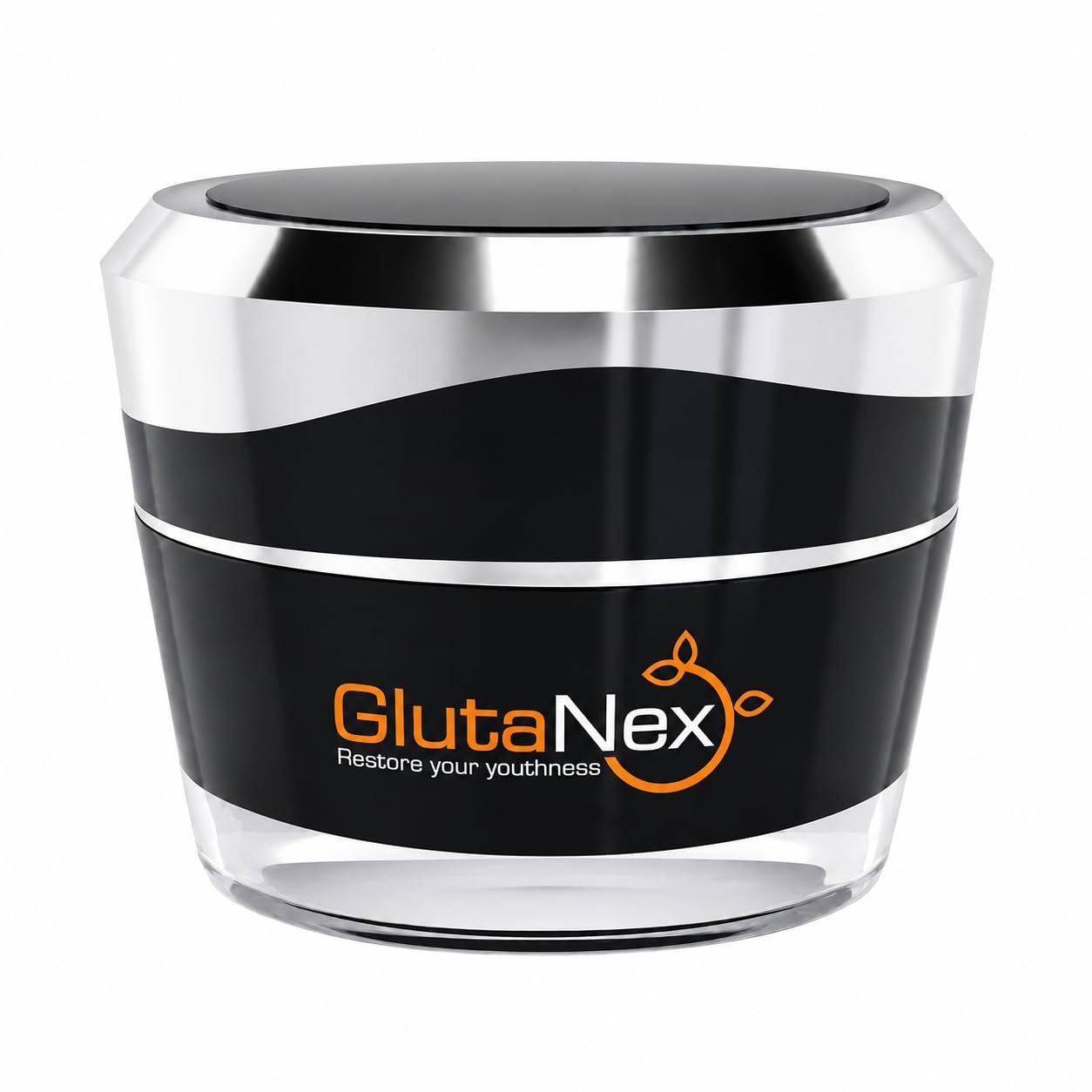
Glutanex Glutathione Night Cream
It combines glutathione with kojic acid, arbutin and vitamin C, plus nourishing oils, in one night-time step. Patch test first.
Buy from Glutanex.in · Buy on Amazon · Buy on Flipkart · Follow on Instagram
Disclosure: Glutanex is our own brand. Individual results vary.
This article is for general information only and is not medical advice. Consult a doctor or dermatologist before starting any supplement or treatment.