
Quick answer
Glutathione or niacinamide: which is better? Niacinamide has stronger evidence as a skin ingredient for dark spots, oil control and the skin barrier. Glutathione is an antioxidant that may help with brightness and dullness. They work in different ways, so you don’t have to choose: they can be used together, along with daily sunscreen.
Both ingredients show up on almost every brightening product in India. They’re often compared as rivals, but they actually do different jobs. Here’s how they compare.
How each one works
Niacinamide (vitamin B3) doesn’t stop melanin from being made. Instead, it slows the transfer of pigment from pigment cells to the surrounding skin cells, so less of it shows on the surface. It also helps the skin make ceramides, which strengthens the skin barrier.
Glutathione is an antioxidant. It may reduce the activity of tyrosinase, the enzyme that makes melanin, and shift pigment towards a lighter type, while protecting skin from oxidative stress. Learn more in what is glutathione?
Side-by-side comparison
| Glutathione | Niacinamide | |
|---|---|---|
| What it is | Antioxidant made naturally by the body | A form of vitamin B3 |
| How it brightens | Calms melanin production; antioxidant protection | Reduces pigment transfer to the skin surface |
| Other benefits | Fights oxidative stress; recycles vitamins C and E | Oil control, smaller-looking pores, stronger barrier, less redness |
| Topical evidence | Small studies, modest results | More studies, fairly consistent results at 2–5% |
| Best for | Dullness, uneven tone, antioxidant care | Dark spots, oily or acne-prone skin, sensitive barriers |
| Irritation risk | Low | Low at 2–5%; high strengths (10%+) can sting or flush in some people |
Can you use them together?
Yes. They don’t cancel each other out, and because they work at different steps of pigment formation, many people find them complementary. The old warning about not mixing niacinamide with vitamin C is also largely outdated for modern formulas.
How to layer them:
- Cleanse.
- Apply the niacinamide serum first, since it’s thinner.
- Wait a minute, then apply your glutathione cream.
- Use sunscreen every morning.
Add one new product at a time, about two weeks apart, so you can tell what suits your skin.
Which should you choose?
- Oily or acne-prone skin with dark marks: start with niacinamide, and add glutathione at night if you want more brightening. See glutathione for acne marks.
- Dry, dull skin: a nourishing glutathione night cream is a good choice.
- Tan and uneven tone: use both, plus strict sunscreen. See glutathione for tan removal.
- Melasma: see a dermatologist. Both may help as extras, but neither is a main treatment. Read glutathione for melasma.
Common questions
Can I use glutathione, niacinamide and vitamin C together?
Generally yes. Start slowly, add one product at a time, and stop if your skin becomes red or itchy. Also read glutathione vs vitamin C.
What percentage of niacinamide is best?
Studies usually use 2–5%. Higher percentages aren’t necessarily better and are more likely to irritate.
Which works faster?
Both take time. Expect gradual changes over 8–12 weeks, not days.
From the makers of this guide
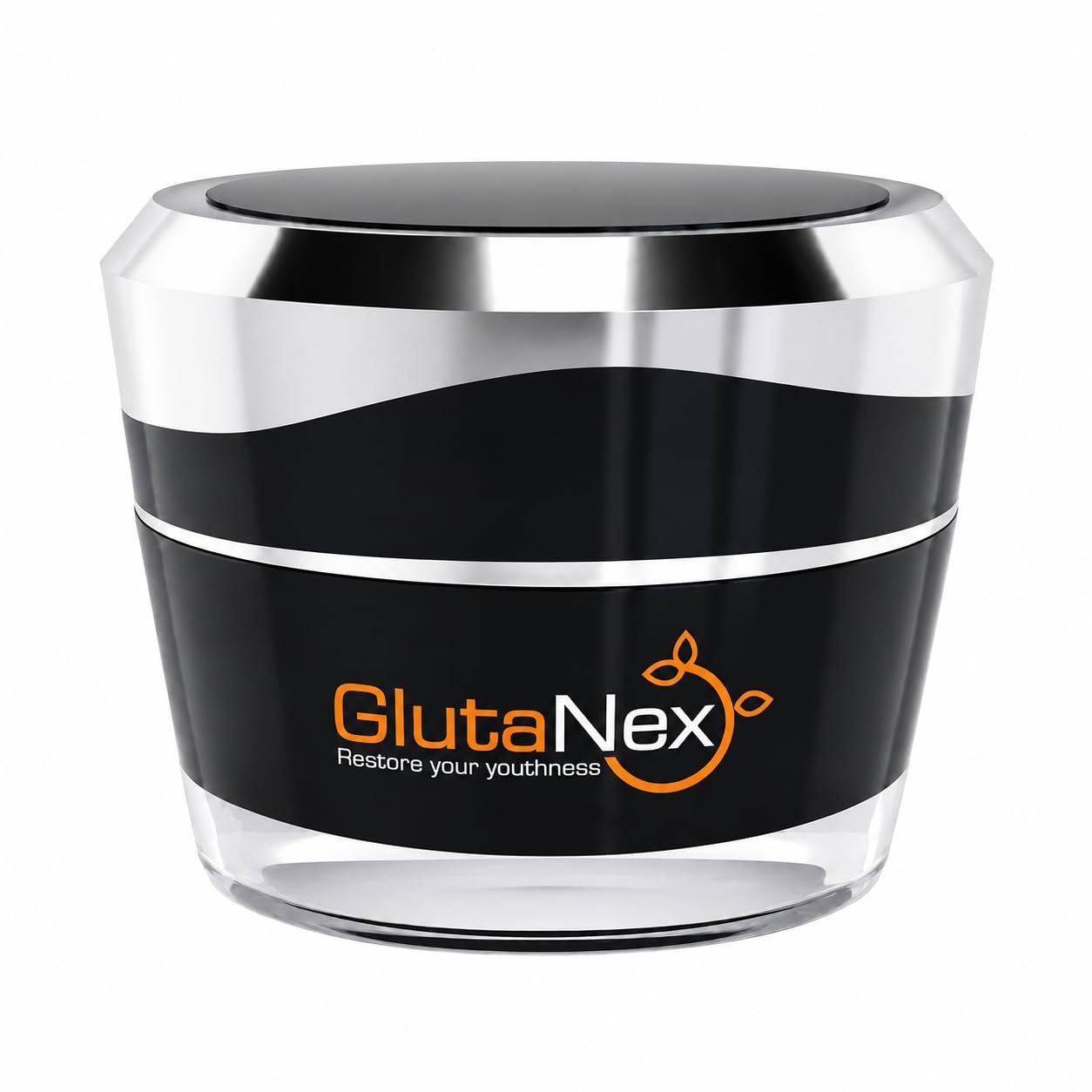
Glutanex Glutathione Night Cream
Already using a niacinamide serum? A glutathione night cream goes on top: glutathione with vitamin C, kojic acid and arbutin, plus nourishing oils. 30 g.
Follow @glutanexofficial on Instagram
Disclosure: Glutanex is our own brand. Individual results vary.
This article is for general information only and is not medical advice. Consult a dermatologist for persistent pigmentation.