
Quick answer
What food is highest in glutathione? Asparagus, avocado, spinach and okra are among the richest food sources, but eating glutathione gives only a small boost. The bigger help comes from foods that help your body make its own: garlic, onions, broccoli and cabbage (sulphur); eggs, dal and paneer (protein); amla and guava (vitamin C); and nuts and seeds (selenium).
Your body makes its own glutathione, and what you eat plays a big role in how much it can make. The good news: many of the best foods for glutathione are already in the Indian kitchen.
How food helps glutathione
Your body builds glutathione from three amino acids: cysteine, glutamine, and glycine. Cysteine is usually the one in shortest supply, so foods rich in sulphur and protein help most. Certain vitamins and minerals, like vitamin C and selenium, then help glutathione work and stay active.
Glutathione itself is also present in some fresh fruits and vegetables, though how much your body absorbs directly from food is still being studied.
1. Garlic 🧄
Rich in sulphur compounds that support glutathione production. Add it to dal, sabzi, and chutneys.
2. Onions
Another sulphur-rich staple. Both raw (in salads) and cooked onions help.
3. Broccoli, cabbage, and cauliflower
These cruciferous vegetables contain compounds (like sulforaphane) that help the body switch on its own antioxidant defences, including glutathione. Lightly steam or stir-fry them rather than overcooking.
4. Spinach (palak)
Contains glutathione naturally, plus many antioxidants. Palak dal or palak sabzi both count.
5. Avocado
One of the richer fruit sources of glutathione, plus healthy fats.
6. Okra (bhindi) and asparagus
Both contain natural glutathione.
7. Amla (Indian gooseberry)
One of the richest natural sources of vitamin C, which helps keep glutathione active. A little amla juice or murabba goes a long way.
8. Citrus fruits, guava, and papaya
More vitamin C: oranges, mosambi, lemon, guava, and papaya are all great, affordable choices.
9. Eggs
Provide cysteine, a key building block for glutathione.
10. Legumes and lentils
Chana, rajma, moong, and dals provide protein and amino acids your body needs.
11. Nuts and seeds
Brazil nuts, sunflower seeds, and flaxseeds provide selenium and other nutrients that support glutathione’s work. (Brazil nuts are very high in selenium, so one or two a day is plenty.)
12. Turmeric (haldi)
Curcumin in turmeric has been studied for supporting the body’s antioxidant systems, including glutathione. Use it daily in cooking, with a pinch of black pepper to help absorption.
Also helpful: whey and milk protein
Whey protein is rich in cysteine and has been studied for supporting glutathione levels. Paneer, curd, and milk also provide good protein.
Lifestyle habits that protect your glutathione
Food is only half the story. These habits use up glutathione faster:
- ❌ Smoking
- ❌ Heavy drinking
- ❌ Poor sleep
- ❌ Long-term stress
- ❌ Too much unprotected sun
And these help:
- ✅ 7–8 hours of sleep
- ✅ Regular exercise (moderate, not extreme)
- ✅ Daily sunscreen
- ✅ Plenty of water
A sample “glutathione-friendly” day
- Morning: warm water with lemon, and eggs or moong chilla
- Mid-morning: guava or an orange
- Lunch: dal with garlic tadka, palak sabzi, salad with onion
- Snack: a handful of nuts and seeds
- Dinner: roti with stir-fried cabbage or broccoli, and curd
- Anytime: amla, fresh or as juice
The bottom line
You don’t need expensive products to support your glutathione: garlic, onions, leafy greens, amla, eggs, dals, and good sleep all help your body make its own. For skin, you can combine a healthy diet with a topical glutathione cream and daily sunscreen. Learn more in What Is Glutathione?
Frequently asked questions
What food is highest in glutathione?
Among common foods, spinach, avocado, asparagus and okra contain some of the highest natural glutathione. Sulphur-rich foods like garlic, onions and broccoli, and protein like eggs and dals, help your body make its own glutathione.
Does cooking destroy glutathione in food?
Heavy cooking can reduce it. Lightly steaming, stir-frying or eating some vegetables raw keeps more of it.
Is food enough, or do I need supplements?
For most healthy people, a good diet, sleep and no smoking support natural glutathione levels well. Talk to a doctor before starting supplements.
From the makers of this guide
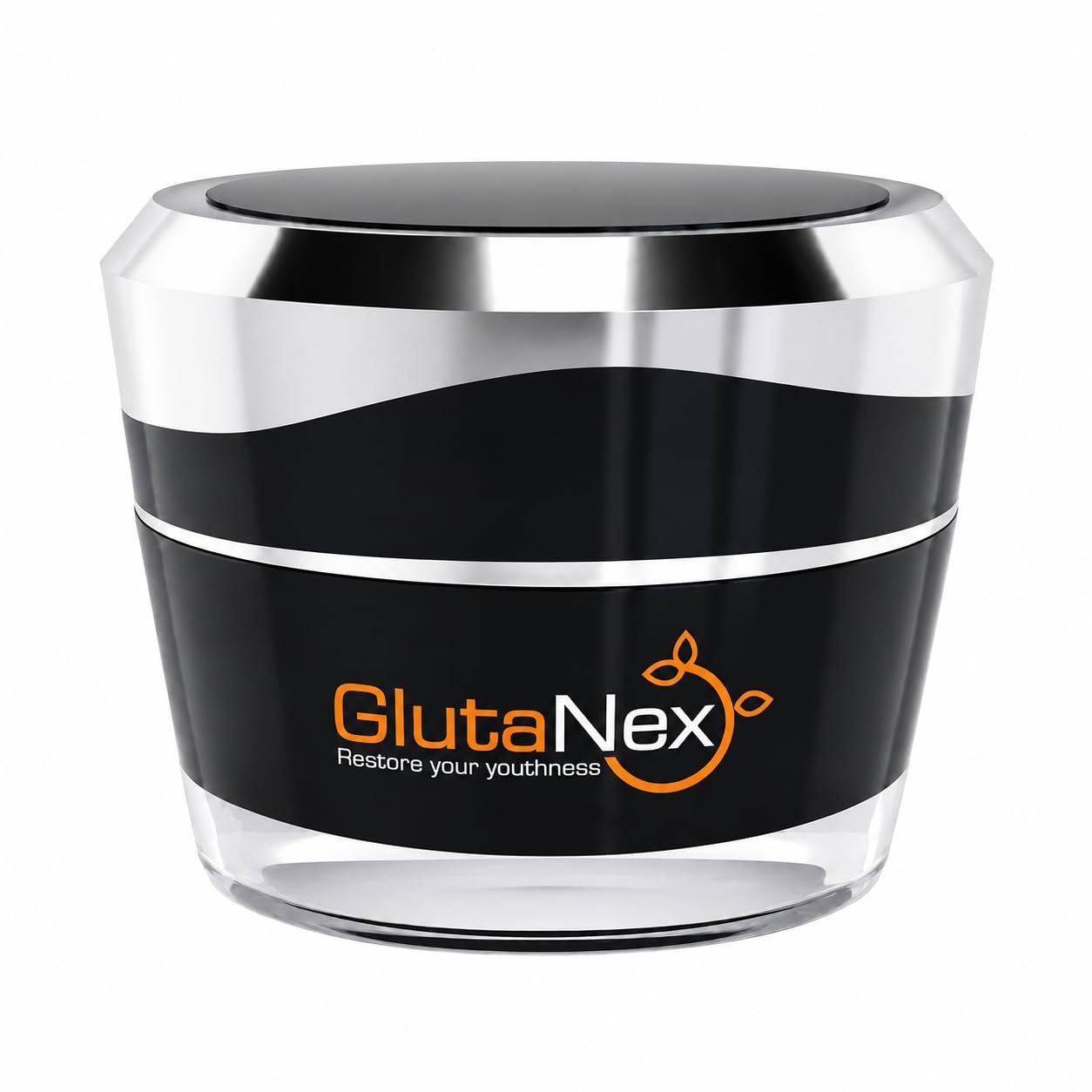
Glutanex Glutathione Night Cream
It adds glutathione and vitamin C directly to your skin as part of your night routine.
Follow @glutanexofficial on Instagram
Disclosure: Glutanex is our own brand. Individual results vary.
This article is for general information only and is not medical advice. If you have a medical condition or food allergy, consult a doctor or dietitian before changing your diet.